
A Message from Board President, Stephen Pearce
 Welcome to Rituals, and thank you for joining the Pensacola Civic Band this evening.
Music has always played a meaningful role in the ceremonies and traditions that shape our lives. From celebrations and milestones to moments of reflection and remembrance, these shared experiences help connect us across generations and cultures. Tonight’s program explores that powerful idea—how music becomes part of the rituals that mark who we are and what we value together as a community.
One of the most special traditions we share in Pensacola is the opportunity to gather for live music performed by dedicated volunteer musicians who give their time and talent simply because they believe in the importance of keeping community band music alive and accessible to everyone. Your presence here helps continue that tradition.
On behalf of the Board of Directors, thank you for being part of our audience and for supporting the mission of the Pensacola Civic Band. Whether this is your first concert with us or one of many you’ve attended over the years, we’re grateful you chose to spend this evening with us.
We hope tonight’s performance inspires you and becomes part of your own musical traditions for years to come.
Warm regards,
Stephen Pearce
Board President
Pensacola Civic Band
About the Band
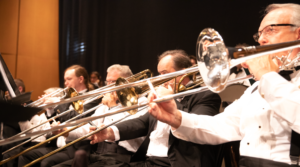 For generations, the Pensacola Civic Band has been part of the cultural fabric of our community, bringing people together through live concert band music that is welcoming, accessible, and rooted in shared experience. As one of the region’s longstanding volunteer performing ensembles, the band continues a proud tradition of presenting free public concerts that celebrate both the heritage and the evolving spirit of wind band performance.
Made up of dedicated musicians from across the Pensacola area, including educators, students, professionals, retirees, and lifelong music lovers, the Civic Band reflects the strength of community music-making at its best. Members give their time and talent not only to perform, but to help ensure that high-quality live music remains available to everyone in our region.
Throughout each season, the band presents a variety of themed concerts that explore traditions, stories, and musical styles from around the world. These performances are designed to be engaging for longtime concertgoers and first-time listeners alike, offering something meaningful for every audience member.
In addition to its concert season, the Pensacola Civic Band is committed to supporting the next generation of musicians through scholarship fundraising concerts and community partnerships that strengthen music education across our area.
Most importantly, the Civic Band exists because of the community it serves. Whether you are attending your first concert tonight or continuing a tradition of many years, your presence helps sustain a legacy of shared musical experiences in Pensacola.
We’re glad you’re here.
Guest Conductor | Tim Willis
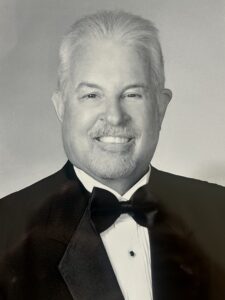
Timothy A. Willis is a graduate of Mississippi State University and a distinguished music educator whose career shaped generations of student musicians across Northwest Florida. He served as director at Pensacola High School, where he led the band to cons
istent superior ratings and earned the school’s first Otto J. Kraushaar Award at Florida Bandmasters Association State Concert Assessment.
Mr. Willis later taught at Escambia High School and Brownsville Middle School before helping establish the band program at Jim C. Bailey Middle School, where enrollment grew to more than 500 students and the program maintained a record of superior ratings throughout his tenure. In recognition of his impact, the Bailey band room now bears his name.
A recipient of the prestigious Oliver Hobbs Award and a 2022 inductee into the Florida Bandmasters Association Hall of Fame, Mr. Willis continues to serve as a clinician, adjudicator, and mentor throughout the Southeast. A member of the Pensacola Civic Band for more than 38 years, he now resides in Diamondhead, Mississippi with his wife and enjoys spending time with their children and grandchildren.
Alleluia! Laudamus Te | Alfred Reed
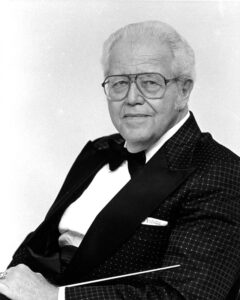 Few composers wrote more effectively for the concert band than Alfred Reed, whose music is known for its clarity, vitality, and expressive strength. Alleluia! Laudamus Te—Latin for Alleluia! We praise You—is a brilliant concert opener that captures the spirit of celebration and joyful proclamation.
Originally composed in 1973, the work reflects Reed’s gift for combining strong melodic writing with energetic rhythmic momentum. From its opening fanfare figures in the brass to the sweeping lyrical lines that follow, the piece unfolds as a musical expression of praise and affirmation. Reed balances power and elegance throughout, allowing each section of the ensemble moments to shine while maintaining a unified sense of forward motion.
Though the title suggests a sacred text, the piece functions less as a literal religious statement and more as a universal musical gesture of thanksgiving and exultation. Its radiant harmonies, bold brass writing, and driving percussion create an atmosphere of ceremony and uplift—making it a natural fit for concerts that explore themes of tradition, celebration, and shared human experience.
Kaddish | W. Francis McBeth
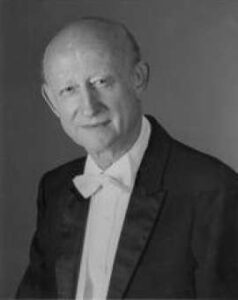 Kaddish is one of W. Francis McBeth’s most deeply expressive works for wind ensemble—a powerful musical reflection inspired by the Jewish prayer of the same name. Though often associated with mourning, the Kaddish is not a prayer about death itself, but a proclamation of faith and praise—a declaration of hope, continuity, and reverence in the face of loss.
Composed in 1963, McBeth’s setting captures this emotional depth through rich harmonic language and a broad, chant-like musical character. The piece unfolds slowly and deliberately, allowing its solemn opening gestures to grow into moments of intensity and release before returning to a quiet sense of reflection. Rather than depicting grief alone, the music suggests resilience and remembrance—qualities that have long been part of the human experience across cultures and traditions.
McBeth was known for his ability to write music that communicates directly and honestly with performers and audiences alike, and Kaddish stands as one of his most sincere statements. Its restrained pacing, warm sonorities, and dignified structure invite listeners into a shared moment of contemplation.
Within tonight’s Rituals program, Kaddish represents the musical expression of remembrance—honoring the ways communities gather to reflect, to support one another, and to affirm meaning even in life’s most solemn moments.
Ritual Fire Dance | Manuel de Falla
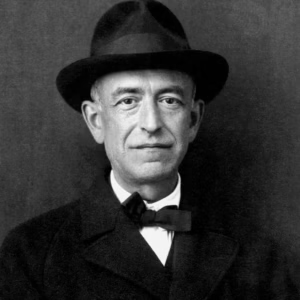 Few works capture the intensity and mystery of ritual as vividly as Ritual Fire Dance, one of the most recognizable pieces by Spanish composer Manuel de Falla. Originally written as part of his 1915 ballet El amor brujo (Love, the Magician), the music accompanies a dramatic scene in which a young woman performs a fiery nighttime dance meant to drive away the spirit of a former lover.
Drawing on the sounds and rhythms of Andalusian folk traditions, the piece builds its energy through hypnotic repetition, bold accents, and swirling melodic gestures that evoke both movement and flame. De Falla’s music creates a sense of urgency and transformation—capturing the idea of ritual not only as ceremony, but as action meant to restore balance and renewal.
This wind band arrangement by Jay Bocook brings the vivid colors of the original orchestral score to the concert stage with striking clarity. Driving percussion, sharp rhythmic interplay, and brilliant ensemble writing help recreate the dramatic intensity of the dance as it gathers momentum toward its electrifying conclusion.
Within tonight’s Rituals program, Ritual Fire Dance represents the power of ritual as a force of change—music that reflects humanity’s long tradition of using movement, rhythm, and ceremony to confront fear and reclaim hope.
Chorale and Shaker Dance | John Zdechlik
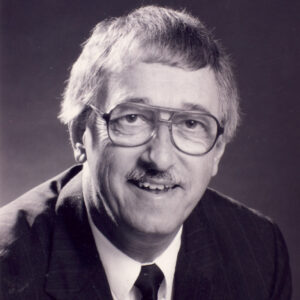 Chorale and Shaker Dance has become one of the most beloved and frequently performed works in the wind band repertoire since its composition in 1972. Written by Minnesota composer John Zdechlik, the piece is admired for its powerful blend of lyrical beauty, rhythmic vitality, and structural clarity—qualities that have made it a cornerstone of concert band literature for decades.
At the heart of the work is a traditional Shaker melody, Simple Gifts, a tune widely associated with the Shaker community’s values of humility, balance, and joyful devotion. Zdechlik presents the melody in two contrasting musical ideas that shape the entire piece: a broad, expressive chorale and an energetic dance built on driving rhythms and layered counterpoint. As the music unfolds, these elements alternate and gradually combine, culminating in a triumphant and unified statement of the Shaker tune.
The composer’s inspiration came after hearing the melody during a rehearsal of another piece based on Simple Gifts. Struck by its clarity and expressive strength, Zdechlik set out to create a work that would highlight both its spiritual character and its lively folk origins. The result is music that feels both reflective and celebratory—quietly reverent in one moment and joyfully animated in the next.
Within tonight’s Rituals program, Chorale and Shaker Dance reflects the role of music in community worship and shared tradition. Its balance of contemplation and movement reminds us that rituals often bring people together not only in reflection, but also in collective joy.
March and Procession of Bacchus | Leo Delibes
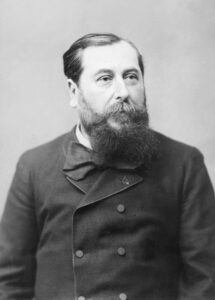 March and Procession of Bacchus comes from the third act of Sylvia, the 1876 ballet by French composer Léo Delibes. Celebrated for his elegant orchestration and lyrical imagination, Delibes helped shape the development of ballet music and influenced later composers such as Pyotr Ilyich Tchaikovsky.
In the ballet, this music accompanies a festive ceremonial procession honoring Bacchus, the Roman god of wine, celebration, and revelry. The scene unfolds with grandeur and color, capturing the energy of a public ritual filled with movement, pageantry, and communal joy. Bold fanfares, sweeping melodic gestures, and rhythmic vitality give the music its unmistakable sense of forward motion and celebration.
This concert band arrangement by Eric Osterling preserves the brilliance and character of Delibes’ original orchestral writing while highlighting the clarity and strength of the wind ensemble. The result is music that feels both regal and exuberant—perfectly suited to portraying ritual as shared celebration.
Within tonight’s Rituals program, March and Procession of Bacchus reflects the ceremonial traditions that bring communities together in moments of festivity, procession, and collective expression.
Chant and Jubilo | W. Francis McBeth
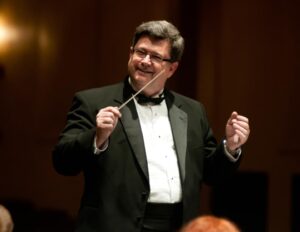
Guest Conductor | Tim Willis
Chant and Jubilo stands as one of W. Francis McBeth’s most celebrated contributions to the wind band repertoire. Commissioned in 1963 by the University of Arkansas Symphonic Band and its conductor, Richard Worthington, the work quickly became recognized for its expressive depth and striking contrast between solemn reflection and radiant celebration.
The title itself reflects the structure of the piece. The opening chant unfolds in a broad, reverent style, evoking the timeless character of ancient ceremonial music. Rich harmonies and sustained lines create an atmosphere of contemplation, as though inviting listeners into a shared moment of quiet reflection. Gradually, the music begins to gather energy and momentum, leading into the jubilo—a joyful and rhythmic section marked by vitality, brightness, and forward motion.
Throughout the work, McBeth demonstrates his remarkable skill in shaping color and balance within the wind ensemble. The music moves naturally between moments of restraint and brilliance, allowing contrasting emotional states to coexist within a unified musical statement. This balance of reverence and celebration mirrors the role music often plays in ceremonial life—guiding communities through both reflection and rejoicing.
Within tonight’s Rituals program, Chant and Jubilo represents the enduring power of music to frame important moments in communal life, moving from quiet contemplation to shared celebration in a single expressive arc.
Africa: Ceremony, Song, and Ritual | Robert W. Smith
 Africa: Ceremony, Song, and Ritual is a dramatic and evocative work that explores the power of music as a central force in communal life. Composed in 1997, Robert W. Smith’s piece reflects the role of rhythm, chant, and ceremony across many African cultural traditions—where music is not simply performance, but an essential part of storytelling, celebration, remembrance, and spiritual expression.
The work unfolds in three interconnected sections suggested by its title. The opening Ceremony introduces bold percussion and layered ensemble textures that evoke the gathering energy of a communal ritual. Song follows with a more lyrical and expressive character, offering contrast through flowing melodic lines that suggest reflection and shared voice. The final section, Ritual, builds in intensity through driving rhythms and repeating musical figures, creating a sense of movement and collective momentum before culminating in a powerful and celebratory conclusion.
Rather than portraying a single tradition, Smith’s composition draws inspiration from the broader idea of music as a living part of community life—something experienced together through rhythm, movement, and shared participation. The prominent percussion writing and call-and-response gestures throughout the ensemble reflect this spirit of connection.
Within tonight’s Rituals program, Africa: Ceremony, Song, and Ritual highlights the universal role music plays in bringing people together—marking important moments, strengthening identity, and expressing the shared rhythms of community and tradition.
Processional March from The Meistersinger | Wagner
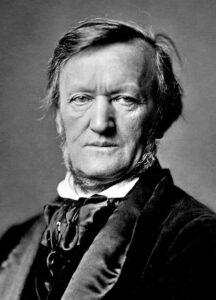 The Processional March from Die Meistersinger von Nürnberg is one of Richard Wagner’s most majestic ceremonial statements. Drawn from the final act of his only mature comic opera, the music accompanies a grand public gathering in which the community assembles to celebrate artistic achievement, tradition, and shared cultural identity.
In the opera’s climactic scene, guild members, townspeople, and musicians gather for a formal festival honoring the winners of a singing competition—an event that blends civic pride, artistic recognition, and the celebration of tradition. Wagner captures this atmosphere through noble brass writing, broad melodic lines, and a strong architectural sense of form that gives the music its unmistakable dignity and weight.
This concert band arrangement by Dale Eymann preserves the grandeur of Wagner’s original score while making its rich sonorities especially effective for wind ensemble. The result is music that conveys both pageantry and purpose, evoking the feeling of a ceremonial procession that brings an entire community together.
Within tonight’s Rituals program, the Processional March represents the role of music in public ceremony—honoring artistry, heritage, and the traditions that help shape cultural identity across generations.
Incantation and Dance | John Barnes Chance
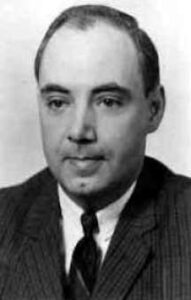 Incantation and Dance is one of the most distinctive and imaginative works in the wind band repertoire. Composed in 1953 while John Barnes Chance was serving in the United States Army in Korea, the piece reflects his growing interest in non-Western musical traditions and his skill in combining contrasting musical ideas into a compelling dramatic arc.
The work unfolds in two connected sections suggested by its title. The opening Incantation creates a mysterious and meditative atmosphere through sustained tones, modal harmonies, and chant-like melodic fragments that seem to emerge gradually from the ensemble. Rather than presenting a literal ritual, Chance evokes the feeling of invocation—music that suggests preparation, focus, and anticipation.
Without pause, the music transitions into the energetic Dance, where layered rhythms and driving percussion propel the ensemble forward with increasing intensity. Inspired in part by rhythmic techniques Chance encountered during his time in Asia, the section builds through overlapping patterns and vibrant ensemble interplay before reaching a brilliant and exhilarating conclusion.
Within tonight’s Rituals program, Incantation and Dance reflects the universal human impulse to gather through sound and movement—capturing the transformation from quiet invocation to collective celebration that lies at the heart of many ceremonial traditions around the world.
Rituals | Roland Barrett
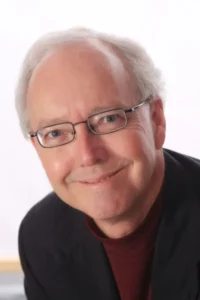 Associate Conductor | Stephen Pearce
Roland Barrett’s Rituals is a bold and energetic work that captures the power of music as a shared ceremonial experience. Known for his vivid scoring and strong rhythmic writing for wind ensemble, Barrett creates a musical landscape that evokes gathering, movement, and transformation—the essential elements at the heart of ritual across cultures and traditions.
From its opening statements, the piece establishes a sense of anticipation through driving rhythms and layered textures that suggest the beginning of a ceremonial event. As the music unfolds, contrasting sections provide moments of reflection and intensity, with shifting colors in the ensemble creating the impression of a procession or unfolding sequence of symbolic actions. Barrett’s skillful use of percussion and brass contributes to the work’s dramatic character, reinforcing the sense of momentum and collective purpose.
Rather than depicting a single specific tradition, Rituals reflects the universal role that ceremony plays in marking important moments in human experience—times of gathering, transition, celebration, and remembrance. The music’s forward energy and striking contrasts invite listeners to experience ritual not only as observation, but as participation.
As the title work of tonight’s program, Rituals brings together the concert’s central theme: the ways music helps communities connect across time and culture, shaping shared experiences that remain meaningful long after the final note fades.
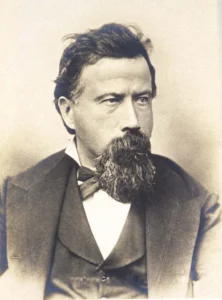 The lively Galop comes from Dance of the Hours, the famous ballet sequence in Act III of the opera La Gioconda by Italian composer Amilcare Ponchielli. Originally written in 1876, the ballet represents different times of day through a series of contrasting dances, with the spirited Galop serving as its brilliant and energetic conclusion.